
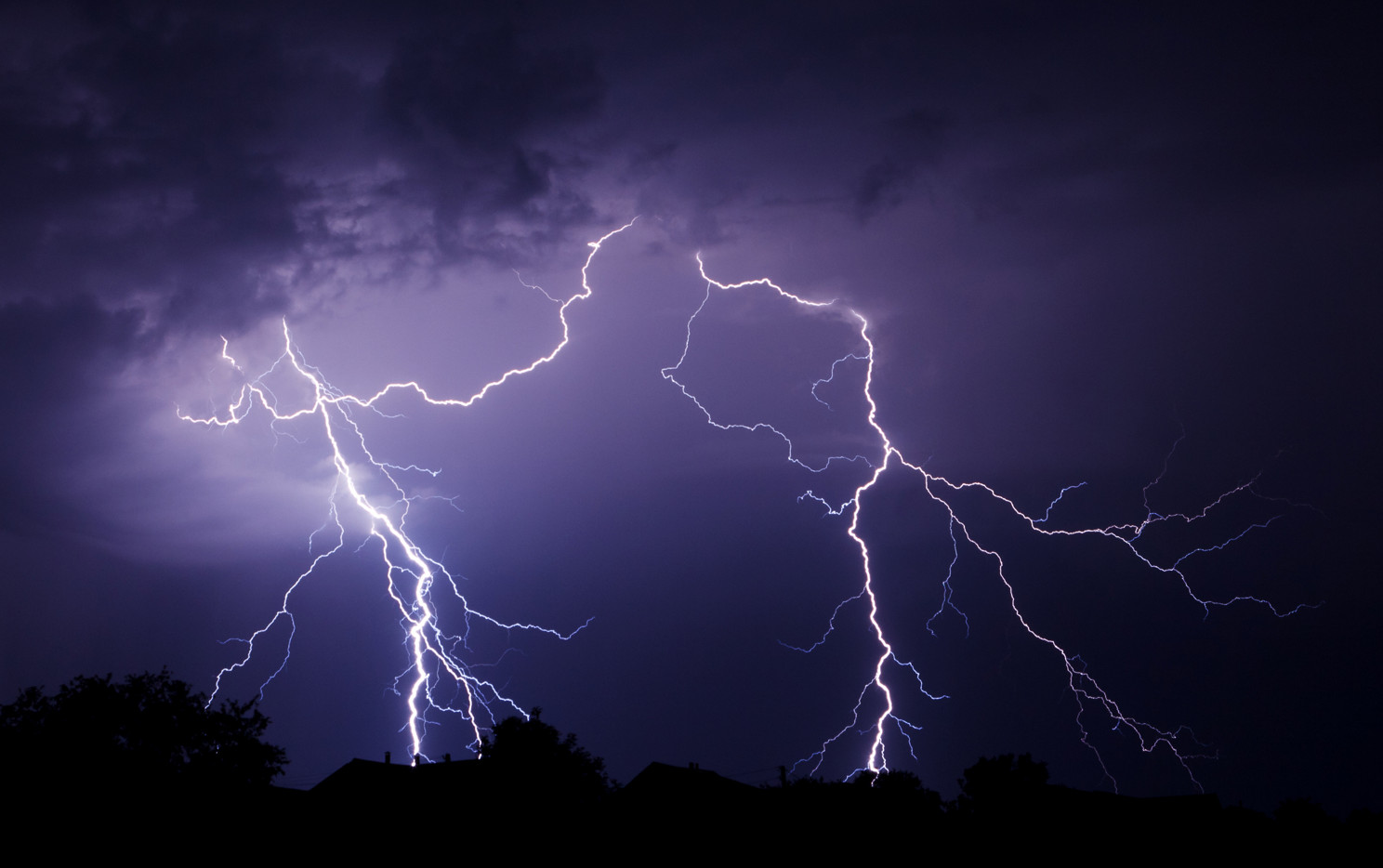
Thunderstorms are the most common severe weather threat in Michigan and one of the most underestimated. Every thunderstorm produces lightning, and lightning kills more people in the United States each year than tornadoes or hurricanes. Today, as part of Severe Weather Awareness Week, the Chesterfield Township Fire Department is sharing what you need to know to stay safe when storms roll through.
The Golden Rule: When Thunder Roars, Go Indoors
The 30-30 Rule
- If you see lightning, count the seconds until you hear thunder. If that gap is 30 seconds or less, lightning is close enough to strike you. Seek shelter immediately.
- Wait at least 30 minutes after the last clap of thunder before going back outside. Lightning can strike miles from the storm’s center, even after the rain has stopped.
Where to Go When a Storm Approaches
Best: A substantial building
A fully enclosed building with plumbing and wiring — a home, school, office, or store — offers the best protection. Once inside, stay away from windows, doors, and anything connected to plumbing or electrical systems. Avoid using corded phones, and don’t handle electronics plugged into the wall during active lightning.
Second best: A hard-topped metal vehicle
If no building is reachable, a hard-topped vehicle with the windows rolled up provides reasonable protection. The metal frame — not the rubber tires — directs the lightning strike around the occupants. Avoid contact with metal surfaces inside the vehicle during a strike. Convertibles, motorcycles, and golf carts do not provide protection.
Never safe: Open structures and trees
Picnic shelters, dugouts, bleachers, golf carts, and open-sided structures offer no lightning protection. Trees are among the most dangerous places to shelter — they are frequently struck, and lightning can travel through the ground from a tree strike and injure anyone standing nearby. Get away from isolated trees, tall objects, and open fields.
Thunderstorm Watch vs. Warning
| Watch
Severe Thunderstorm Watch Conditions are favorable for severe thunderstorms in and near the watch area. Stay aware and be ready to take shelter quickly. |
Warning
Severe Thunderstorm Warning A severe thunderstorm is occurring or imminent. Expect damaging winds of 58 mph or greater and/or hail one inch in diameter or larger. Take shelter in a sturdy building immediately. |
Lightning Safety by Situation
| Situation | What to do |
| At home | Stay away from windows and doors. Avoid plumbing — do not shower, bathe, or wash dishes during a storm. Unplug sensitive electronics before the storm arrives. Do not use corded phones. |
| Outdoors | Get to a sturdy building immediately. If caught in the open with no shelter available, avoid high ground, isolated trees, and bodies of water. Crouch low with feet together — do not lie flat on the ground. |
| On the water | Get off the water immediately at the first sign of an approaching storm. Water is an excellent conductor and offers no protection. Head to shore and seek a sturdy building well before thunder is audible. |
| At a sports event or outdoor activity | Leave the field, bleachers, or open area immediately when thunder is heard. Organizers should have a lightning safety plan in place. Do not wait for an official announcement before seeking shelter. |
| In a vehicle | Stay inside a hard-topped vehicle with windows rolled up. Avoid contact with metal surfaces. Pull safely off the road if visibility is reduced by heavy rain. |
Other Thunderstorm Hazards
Lightning gets the most attention, but severe thunderstorms bring a range of dangers that can affect Chesterfield Township residents.
Damaging winds
Severe thunderstorms can produce straight-line winds of 60–100 mph — strong enough to down trees, damage roofs, and flip vehicles. These winds can arrive with little warning and cause damage similar to a weak tornado. Stay indoors and away from windows when a severe thunderstorm warning is issued.
Large hail
Hail can range from pea-sized to baseball-sized in severe storms. Large hail can shatter windows, damage vehicles, and injure anyone caught outdoors. Get inside a building — a vehicle offers some protection but can sustain significant damage. Do not go outside to check on your car while hail is falling.
Flash flooding
Heavy rainfall from thunderstorms can cause rapid flooding of roads, underpasses, and low-lying areas. Never attempt to drive through standing or moving water — just six inches of moving water can knock a person off their feet, and two feet can carry away most vehicles. Turn around, don’t drown.
After the Storm
Downed power lines
Treat every downed power line as live and deadly. Stay at least 50 feet away and keep others back. Do not attempt to move downed lines or drive over them. Call 911 immediately.
Lightning strike victims
It is safe to touch a lightning strike victim — the body does not retain an electrical charge. Call 911 immediately. If the person is unresponsive and not breathing, begin CPR if you are trained to do so. Lightning strike survivors often require immediate medical attention even if they appear uninjured.
Before Storm Season — Be Ready
| ☐ | Download a reliable weather app with severe thunderstorm and lightning alerts enabled |
| ☐ | Know the 30-30 rule and share it with your family |
| ☐ | Identify the safest room in your home to shelter during a severe thunderstorm |
| ☐ | Consider a whole-home surge protector to guard electronics and appliances |
| ☐ | Follow Chesterfield Fire on Facebook for real-time severe weather updates |
